How to make money from your audio guide (without paying commission)
Five ways to turn an audio guide into a revenue line, how revenue share compares with selling access codes at your own desk, what other venues charge and a worked example for 30,000 visitors a year.
- By
- By Muvo Editorial Team
- Last updated
- 4 min read
- 4 min read
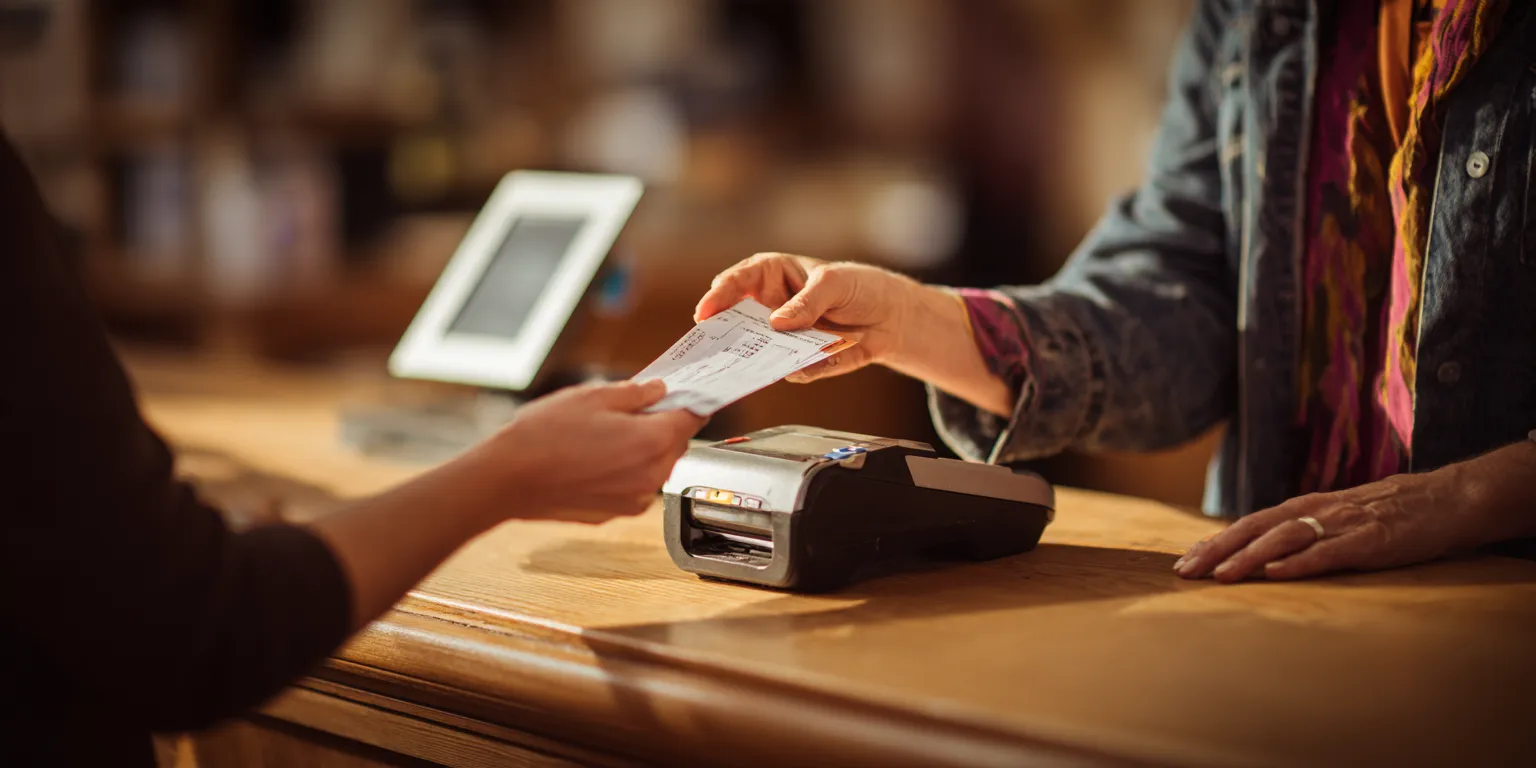
You can make money from your audio guide by selling it as an extra at the desk, including it in a higher ticket price, offering a premium tour, asking for a donation or finding a sponsor. The model that keeps the most money for the venue is selling access yourself, at your own desk, with no commission on each sale.
This guide explains the five models, compares revenue share with selling codes yourself, looks at what other venues charge and works through an example with 30,000 visitors a year.
Treat the audio guide as a revenue line, not a cost
Most venues budget for an audio guide as a cost: something to pay for once and maintain. But visitors already pay for audio in many places. A guide that is good enough to charge for can cover its own cost and then contribute to the rest of the budget, especially when visitors use their own phones and there are no devices to buy.
Five ways to make money
| Model | How it works | Best when |
|---|---|---|
| Included in the ticket | The ticket price rises slightly and every visitor gets the guide | You want the highest take-up |
| Paid extra | Visitors buy the audio guide at the desk | The guide is a clear extra, with a strong story |
| Premium tour | The basic guide is free; an in-depth or themed tour is paid | You have specialist content or a famous voice |
| Donation | The guide is free with a suggested donation | Churches, community venues, free-entry sites |
| Sponsor | A local business or foundation pays for the guide | You have a natural partner, such as a winery or a bank |
You can combine them: a free basic guide for everyone, a paid premium tour, and a sponsor credited on the welcome screen.
Revenue share vs no commission
When a platform sells the audio guide for you, it usually takes a share of each sale. That looks attractive at the start because you pay nothing upfront. But the share is paid on every visitor, forever, and on a busy site it can become the largest cost of the whole project.
The alternative is to sell access yourself:
- You switch the audio guide to access with a code: visitors type a short code before they can listen.
- You buy the codes from the platform at a fixed price.
- You sell them at your desk, with the ticket, at whatever price you choose.
- The money goes to you, through your till or your ticketing system.
With Muvo, codes cost €0.50 each, in packs of 100, 500 or 1,000, and Muvo takes no commission on what you charge. The Premium plan includes 250 codes a month and Ultra 1,000. Each code has 6 digits, works on up to two phones (so a couple can share it) and gives two hours of listening. Codes print on the desk's ticket printer, on A4 sheets to cut out, or as a CSV file for your ticketing software. Paid audio guides explains every step.
What other venues charge
Prices vary with the venue and the country. A few published examples:
- The Louvre rents its audio guide for €6.
- The Vatican Museums audio guide costs €8.
- The National Maritime Museum in London offers a premium tour for £5 through Smartify.
Smaller venues usually charge less than these flagship museums. Look at what comparable venues near you charge, and consider a family or members' price.
How many visitors will buy it?
Take-up depends far more on how you offer the guide than on the guide itself. According to Nubart, an audio guide company, average use is around 48% when the audio guide is included in the ticket and around 5% when it is sold as a paid extra.
Things that raise take-up of a paid guide:
- Offering it at the moment of buying the ticket, not as an afterthought.
- A sign at the desk that says what visitors will hear and how long it lasts.
- Staff who have listened to it and can recommend it.
- A family or group price.
A worked example: 30,000 visitors a year
Imagine a castle with 30,000 visitors a year, using Muvo codes at €0.50 each. These figures are before tax and assume attendance does not change.
| Scenario | Assumptions | Codes used | Revenue | Code cost | Net |
|---|---|---|---|---|---|
| A. Paid extra | €3, 5% take-up | 1,500 | €4,500 | €750 | €3,750 |
| B. Paid extra, well promoted | €4, 15% take-up | 4,500 | €18,000 | €2,250 | €15,750 |
| C. Included in the ticket | Ticket +€1, 48% use | 14,400 | €30,000 | €7,200 | €22,800 |
The lesson is not the exact figure but the gap between scenarios. Promotion at the desk can multiply revenue several times, and including the guide in the ticket earns the most while giving every visitor the audio.
When you set your price, include the VAT on your sales and the VAT on the invoice for the codes. The audio guide ROI calculator shows how to run these numbers with your own figures.
Selling at the desk
The practical side matters as much as the price.
- Print codes in advance. Keep a stack of tickets at the desk, or print one per sale on the ticket printer.
- Load them into your ticketing system if you sell online, so each ticket carries its own code.
- Help visitors who run out of time. With Muvo, desk staff can give a visitor 30 or 60 extra minutes, or free a code so it works on a new phone.
- Track what you sell. Each code shows whether it is unused, in use, used, expired or cancelled.
Free or paid?
Charging is not right for every venue. A free guide can raise donations, attract groups and fulfil a public mission. Should you charge for your audio guide? walks through the decision, and 15 revenue ideas for small museums looks beyond the audio guide.
Key takeaways
Five models: included, paid extra, premium tour, donation and sponsor.
Revenue share costs nothing upfront but takes a cut of every sale, forever.
Selling codes at your own desk keeps 100% of the price for the venue.
How you offer the guide changes take-up far more than the price does.
Including the guide in the ticket often earns the most and reaches every visitor.
Frequently asked questions
How much should I charge for an audio guide?
There is no standard price. Large museums publish their prices (the Louvre charges €6 and the Vatican Museums €8); smaller venues usually charge less, so compare with similar places near you.
Does Muvo take a commission on audio guide sales?
No. You buy codes at €0.50 each and keep everything you charge the visitor.
Can visitors pay for the audio guide on their phone?
Not with Muvo for now. Codes are sold at the desk with the ticket, or through your ticketing system.
How many visitors buy a paid audio guide?
According to Nubart, around 5% when it is sold as an extra and around 48% use it when it is included in the ticket.
Can I charge for some stops and leave others free?
On Muvo, access with a code applies to the whole space: either every audio guide asks for a code, or none do.
Drafted with AI assistance; researched, edited and fact-checked by the Muvo team.